Homologous
Recombination

Inserting genes into the genome at arbitrary locations based on homology

Lambda Red: three proteins, three jobs

Proc Natl Acad Sci U S A. 2000 Jun 6;97(12):6640-5   PMID: 10829079

Where the recombination happens

Mosberg, Lajoie & Church, Genetics 2010

Datsenko/Wanner knockouts

Markerless knockouts

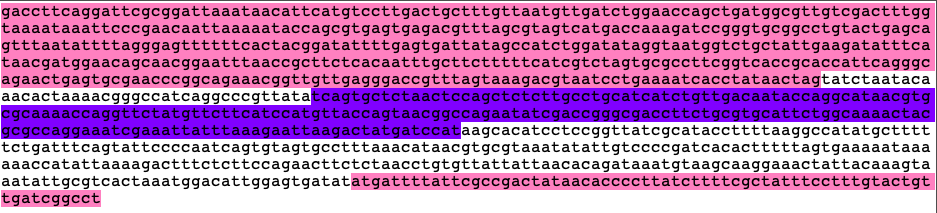
glgS region (K12 genome context)

A sequence editor window showing the glgS gene in its K12 genome context, reverse complemented relative to the genome download.

Choose the ends as 40 bp homology regions

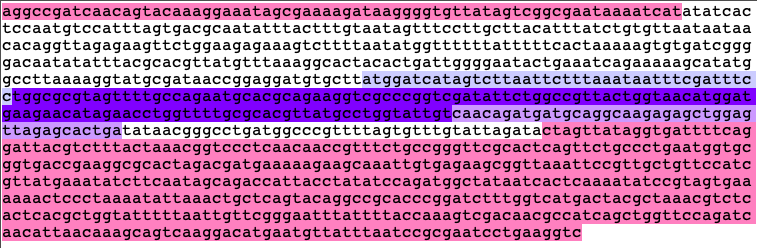
The regions wherein recombination will occur

The same glgS locus with two forty-base stretches highlighted, one at each end of the gene: the regions the PCR product will recombine over.

Template plasmid pKD3

A circular map of pKD3, with the FRT-CmR-FRT cassette marked and the P1 and P2 priming sites picked out in red at its edges.

The two oligos

Each one is forty bases of the genome with twenty that prime on pKD3 after it — the same two sources, taken from opposite ends

The glgS locus with a forty-base homology region highlighted at each end of the gene.
the 40 bp you picked — the left end goes on the forward oligo, the right end reverse complemented onto the reverse
The P1 priming site on pKD3, the twenty bases the forward oligo ends on.
P1 — the 3’ end of the forward oligo
The P2 priming site on pKD3, whose reverse complement is the three-prime end of the reverse oligo.
P2 — reverse complemented, the 3’ end of the reverse oligo

Knockout PCR product

The PCR product in a sequence editor: forty bases of genome homology, P1, the FRT-CmR-FRT cassette, P2, and forty more bases of genome homology.
Knockout PCR product.seq  —  the two oligos on pKD3

glgS knockout region

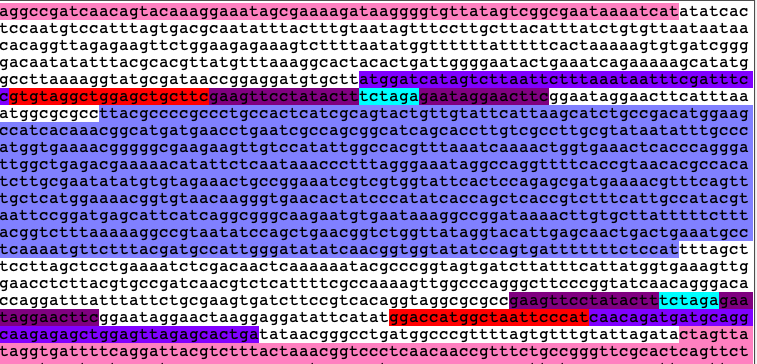
The recombination sites are the two glgS fragments

The glgS locus after recombination, with the marker cassette in place of the gene and the two forty-base fragments of glgS left flanking it.
glgS knockout region.seq

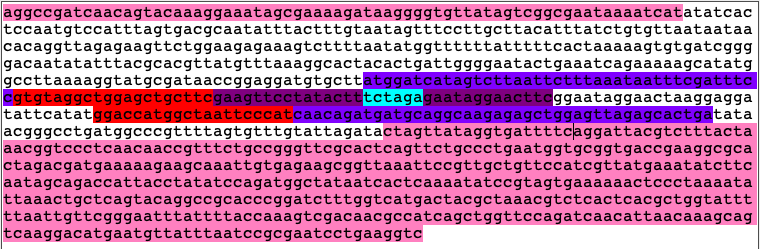
And after Flp

The same locus after Flp recombinase, with the marker gone and a single FRT site remaining between the two glgS fragments.
glgS region after flp.seq
fimA knockout

Design oligos to do a Datsenko/Wanner markerless knockout of the fimA gene in MG1655 using plasmids pKD3 and pKD46

fimA ORF:

ATGAAAATTAAAACTCTGGCAATCGTTGTTCTGTCGGCTCTGTCCCTCAGTTCTACAGCG
GCTCTGGCCGCTGCCACGACGGTTAATGGTGGGACCGTTCACTTTAAAGGGGAAGTTGTT
AACGCCGCTTGCGCAGTTGATGCAGGCTCTGTTGATCAAACCGTTCAGTTAGGACAGGTT
CGTACCGCATCGCTGGCACAGGAAGGAGCAACCAGTTCTGCTGTCGGTTTTAACATTCAG
CTGAATGATTGCGATACCAATGTTGCATCTAAAGCCGCTGTTGCCTTTTTAGGTACGGCG
ATTGATGCGGGTCATACCAACGTTCTGGCTCTGCAGAGTTCAGCTGCGGGTAGCGCAACA
AACGTTGGTGTGCAGATCCTGGACAGAACGGGTGCTGCGCTGACGCTGGATGGTGCGACA
TTTAGTTCAGAAACAACCCTGAATAACGGAACCAATACCATTCCGTTCCAGGCGCGTTAT
TTTGCAACCGGGGCCGCAACCCCGGGTGCTGCTAATGCGGATGCGACCTTCAAGGTTCAG
TATCAATAA
fimA knockout result

Predict the product of the genome locus from the previous experiment, after integration and after Flp excision of CmR

The locus is fimA with its neighbours — the file is in the Genome Editing Examples zip